Why We Stopped Wearing Clothes Made to Last
Clothes used to be something we expected to live with.
A shirt could survive years. A saree could move from one generation to another. A good pair of trousers was repaired rather than immediately replaced. Clothing was not necessarily cheap, but it was expected to justify its existence.
Today, something strange has happened.
We have more clothes than ever, yet many of them barely survive a season.
The problem isn't simply that people have become careless. The entire clothing system has changed. Fashion has become faster, cheaper and more disposable. New collections appear constantly, creating the feeling that whatever is hanging inside our wardrobe is already outdated.
A black shirt from last year hasn't suddenly become a bad shirt. It has simply stopped being new .
This affects both men and women, although differently. Men are pushed toward constantly changing sneakers, shirts, watches and casualwear. Women face an even more aggressive cycle of trends involving dresses, tops, jeans, sarees, accessories and occasion-specific clothing.
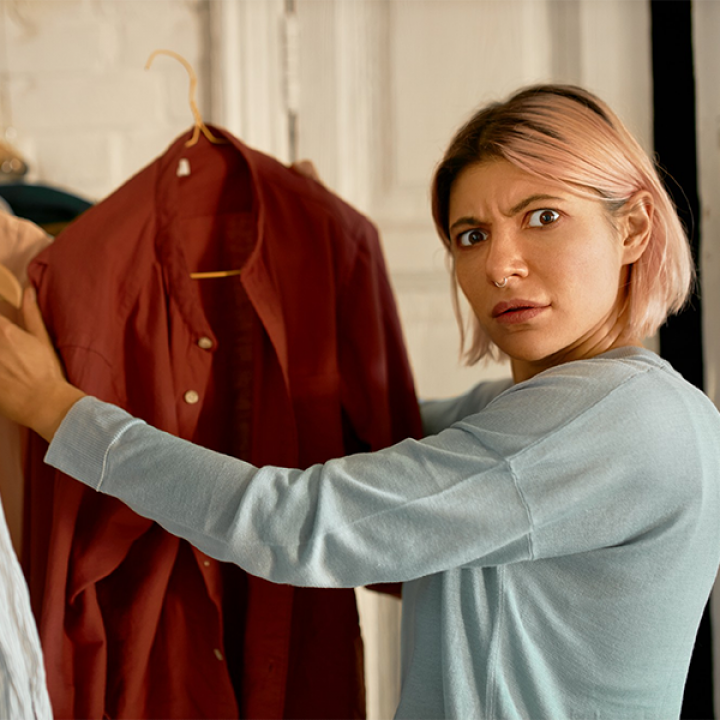
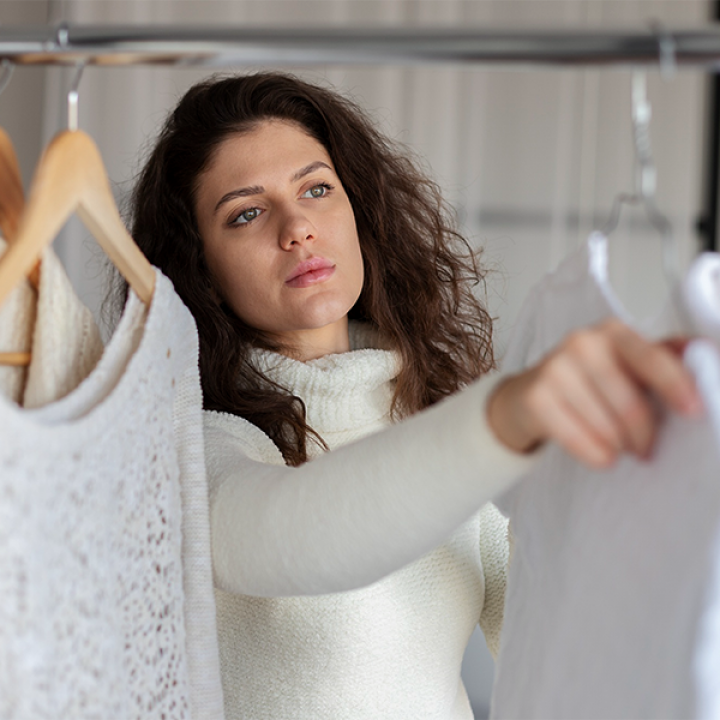
The result is a wardrobe full of clothes and a strange feeling that we still have nothing to wear.
There is also a psychological trick involved.
When clothing becomes inexpensive, buying another piece feels easier than taking care of the one we already own. A ₹500 shirt can feel disposable in a way a ₹2,000 shirt doesn't. But buying ten cheap shirts doesn't necessarily make us richer than owning three good ones.
Perhaps the real luxury today isn't owning more clothes.
It is owning clothes that don't need to be replaced.
A well-made shirt, properly maintained, can become part of someone's identity. The same jacket can appear in photographs taken ten years apart. A particular saree can become associated with weddings, festivals and family memories.
Clothing becomes interesting when it develops history.
Maybe fashion doesn't need to become slower because people need fewer clothes. Maybe it needs to become slower because clothes deserve the opportunity to become ours .