Why Men's Clothes Rarely Get the Same Attention
Walk into a clothing store and you can immediately notice something.
Women's clothing is treated as a world of possibilities.
Men's clothing is often treated as a problem with three solutions: shirt, T-shirt and trousers.
Of course, men's fashion is far larger than that. But the average man's wardrobe is frequently built around repetition. The same jeans can be worn repeatedly. The same few shirts rotate through the week. Colours remain relatively predictable.
Women, meanwhile, are constantly offered new silhouettes, fabrics, cuts, patterns and combinations.
This difference isn't entirely natural.
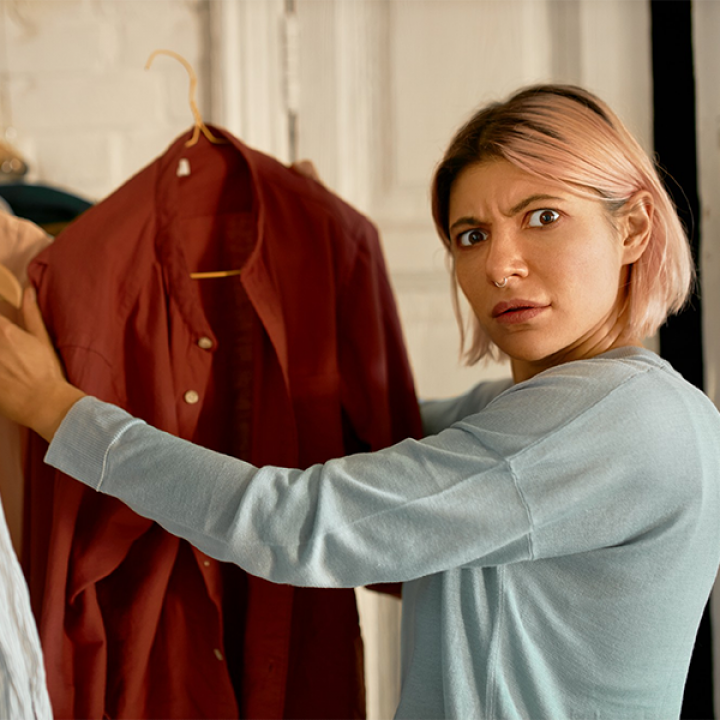
Men have historically been taught that caring too much about appearance can somehow make them less masculine. A woman choosing between five dresses might be considered normal. A man spending an hour deciding between two shirts can sometimes be mocked.
That creates a strange contradiction.
Men are expected to look good, but are often discouraged from visibly caring about how they achieve it.
The clothing industry has responded accordingly. Men's fashion frequently sells identity through small variations: the successful man, the rugged man, the minimalist man, the athletic man, the professional man.
Women's fashion sells transformation.
A dress can change the perceived personality of the person wearing it. A saree, blazer, skirt, gown or pair of jeans can create completely different visual identities.
Men's clothing can do the same, but the industry often doesn't explore it with equal imagination.
The solution isn't necessarily that men need to own hundreds of clothes.
It is that men's clothing deserves to be treated as more than functional equipment.
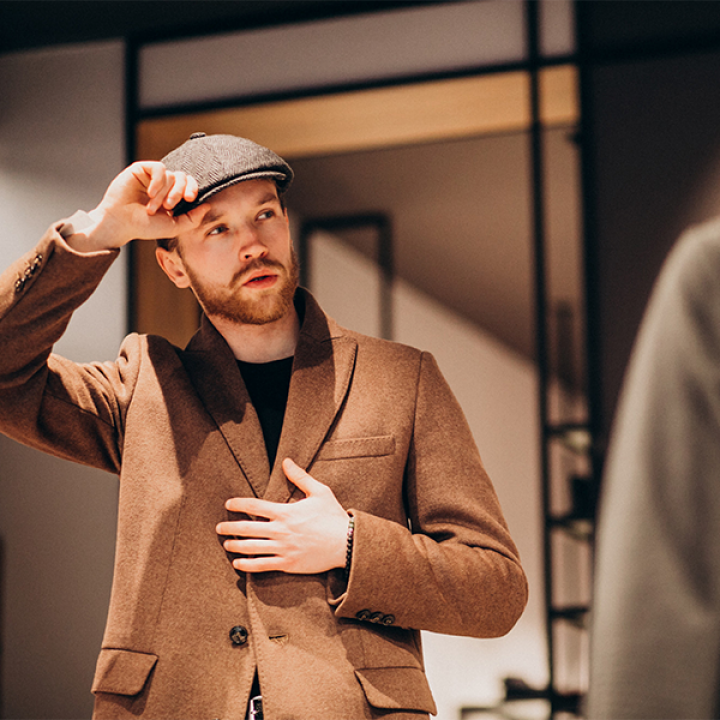
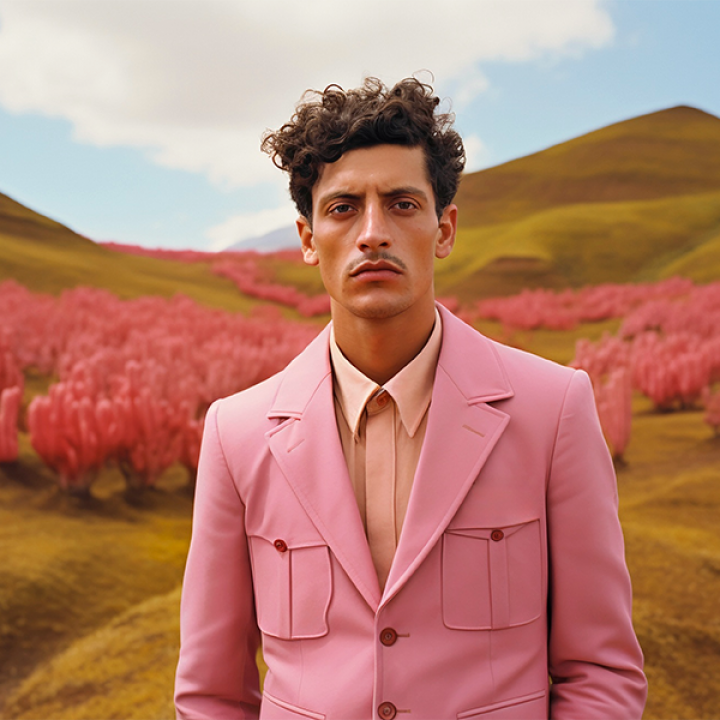
A shirt can communicate personality. A jacket can change posture. A pair of trousers can completely alter proportions. Colour, texture and fit can matter just as much for a man as they do for a woman.
The problem isn't that men don't have fashion.
The problem is that many men have been taught not to notice it.
And when you don't notice clothing, you eventually mistake having fewer choices for having no choices at all.